
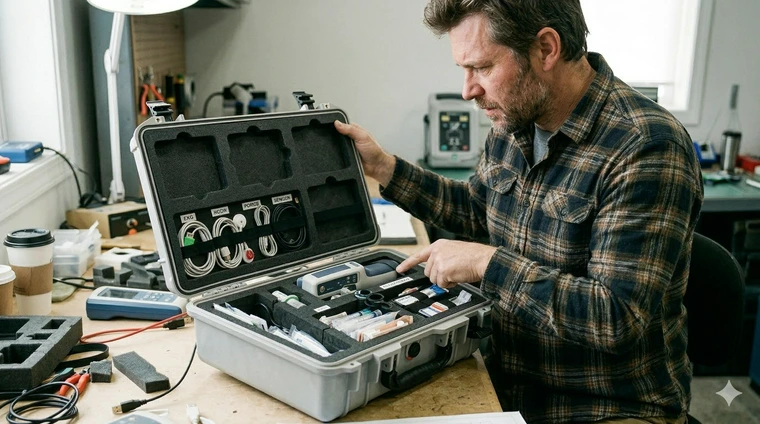
For engineers and product designers, the case is not just packaging. It becomes part of the product system. If the case fails, the product experience suffers.
At Fieldtex, we have spent decades prototyping and manufacturing soft-sided carrying cases for industries ranging from medical devices to industrial instrumentation. Through that experience, we have seen both highly effective case designs and designs that required major revisions before production.
If you are planning a new product or preparing an existing device for field use, understanding how to design a custom carrying case can save significant time, cost, and frustration later in development.The following seven tips outline practical considerations engineers should keep in mind when designing a carrying case for real-world use.
What Is a Custom Carrying Case?
A custom carrying case is designed specifically around a particular piece of equipment rather than relying on a generic or off-the-shelf solution. The dimensions, internal layout, materials, and carrying method are all tailored to the device being transported.
Custom cases are commonly used for medical devices, electronics, field instruments, and industrial tools where protection, organization, and usability are critical. Unlike generic cases, custom designs account for accessories, cables, and operational workflow.
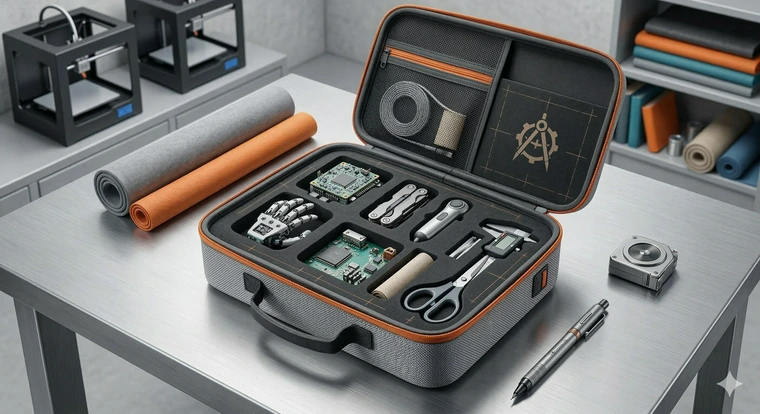
What Is a Soft-Sided Carrying Case?
A soft-sided carrying case is constructed primarily from textiles such as nylon, polyester, or other technical fabrics rather than molded plastic or metal. These cases typically include padded layers, structural panels, and internal inserts to protect equipment.
Soft-sided cases offer greater flexibility than molded hard cases and are often preferred during prototyping or iterative product development. Because they are sewn rather than molded, design adjustments such as additional pockets, zipper placement, or layout changes can be implemented more easily during development.
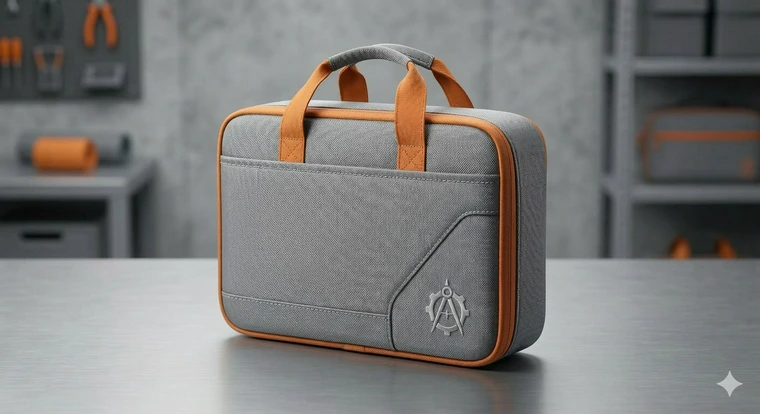
1. Partner Early with a Prototyping and Manufacturing Team
One of the most common mistakes in custom case development is treating the carrying case as an afterthought. Many engineering teams finalize the product design before considering how the equipment will be transported or protected.
Involving an experienced manufacturer early in the design phase allows engineers to receive valuable input on materials, seam construction, closures, and structural reinforcement. Early collaboration helps ensure the design is manufacturable and scalable.
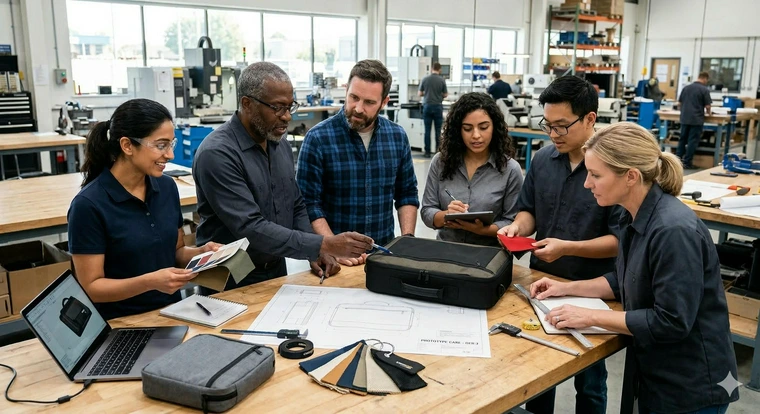
Manufacturing teams can also provide feedback on tolerances, textile behavior, and structural stability that may not be obvious during the conceptual design phase. This early feedback often prevents costly redesigns later.
When evaluating how to choose a carrying case manufacturer, engineers should look for partners that provide both prototyping support and scalable production capabilities. A manufacturer that participates during the design phase can help refine layouts, improve durability, and ensure the case can be produced consistently.
Case in Point
A medical equipment company once approached our team after designing a sleek carrying case for a portable ultrasound device. The design looked great on paper and appeared ready for production.
However, when we evaluated the prototype, two issues immediately became clear:
- The device barely fit within the internal dimensions
- There was no storage space for the power cable
By slightly increasing the internal dimensions and adding a small accessory pocket, we preserved the original design intent while dramatically improving usability for clinicians in the field.
2. Design Around Your Equipment
Pre-made cases rarely provide the level of protection or organization required for complex devices. Instead of starting with a generic case shape, the design process should begin with a detailed analysis of the equipment itself.
Important questions to consider include:
- How fragile is the device?
- Does it contain sensitive components?
- Will the device be assembled or disassembled during use?
- Are there accessories such as cables, sensors, or adapters?
Breaking the product down into individual components helps determine how the interior of the case should be organized. Engineers should also consider how users interact with the device during transport and deployment.
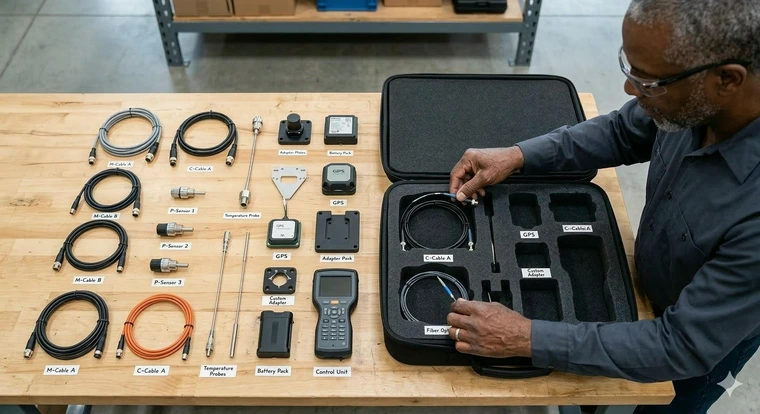
For example, an engineering team developing a modular radio antenna initially requested a simple carrying bag with several storage pockets. After reviewing the equipment components, it became clear that a basic bag would not provide adequate protection.
Instead, a foam-lined hard-wall case with individual compartments was developed for each antenna component. Field feedback later showed that the organized layout significantly improved setup speed and reduced the risk of lost components.
Designing around the equipment ensures the case supports the workflow rather than creating additional friction for the user.
3. Choose the Right Case Style and Carrying Method
The way a case is carried has a direct impact on usability and ergonomics. A case that works well in a laboratory environment may not be suitable for field deployment or mobile technicians.
Common carrying formats include:
- Shoulder bags
- Backpack-style cases
- Briefcase designs
- Rolling equipment cases
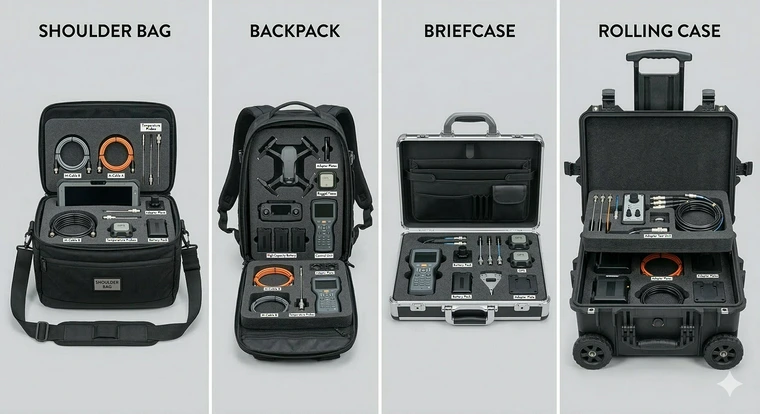
The appropriate style depends heavily on the use environment. Medical professionals transporting diagnostic equipment may prefer compact shoulder cases, while field engineers working with heavier equipment may require rolling cases or backpack systems.
Ergonomics should also be considered. The weight distribution, handle placement, and strap configuration can affect user fatigue over time.
Soft-sided cases provide a significant advantage when adapting to different carrying methods. Because they are textile-based, manufacturers can add or modify features such as shoulder straps, external pockets, and reinforced handles without redesigning molds or tooling.
This flexibility makes soft-sided cases especially useful when equipment designs are still evolving.
4. Precision Fit Starts with Accurate Measurements
Accurate measurements are essential for designing a case that protects equipment without making it difficult to use. Engineers should account not only for the device dimensions but also for the padding thickness and structural materials.
Even small measurement errors can create problems. If the case interior is too tight, the equipment may be difficult to remove. If the space is too loose, the device may shift during transport.
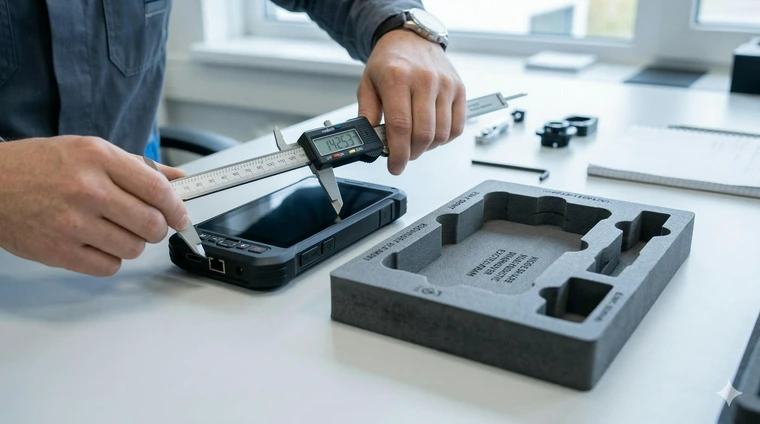
Foam inserts require particularly precise measurements because they are cut to match the device geometry. Tight tolerances help keep the equipment stable while maintaining accessibility.
When possible, manufacturers prefer receiving physical units during the prototyping phase. This allows the case to be tested with the actual device rather than relying solely on theoretical measurements.
If physical samples are not available, providing detailed CAD files, technical drawings, and reference photos can help ensure accuracy.
5. Design for Scalability and Production from Day One
Even when starting with a small prototype run, it is important to design the case with long-term production in mind.
Early design decisions can affect whether a case can scale efficiently from dozens of units to thousands. Material availability, stitching methods, reinforcement strategies, and component sourcing all influence production feasibility.
For example, certain specialty fabrics may be ideal for prototypes but difficult to source in large quantities. Similarly, complex stitching patterns can slow production or introduce inconsistencies if they are not optimized for manufacturing processes.
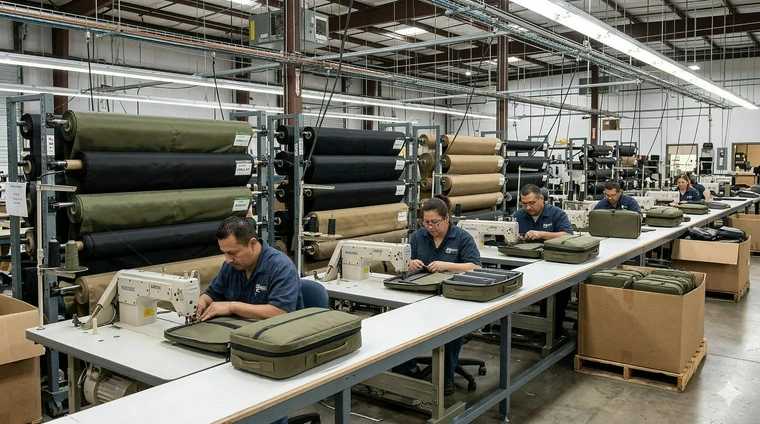
At Fieldtex, prototype runs can start as low as 25 units. These small batches allow engineers to test designs in the field while maintaining the option to scale production later.
Designing with production considerations from the beginning helps avoid delays and redesigns when demand increases.
6. Select Materials Based on Use Environment and Risk
Material selection is one of the most important decisions in custom carrying case design. The right materials help protect equipment from environmental hazards while supporting long-term durability.
Engineers should consider the environment in which the case will be used.
Potential factors include:
- Abrasion from frequent handling
- Exposure to moisture or humidity
- Temperature fluctuations
- Chemical exposure
- Cleaning and sanitation requirements
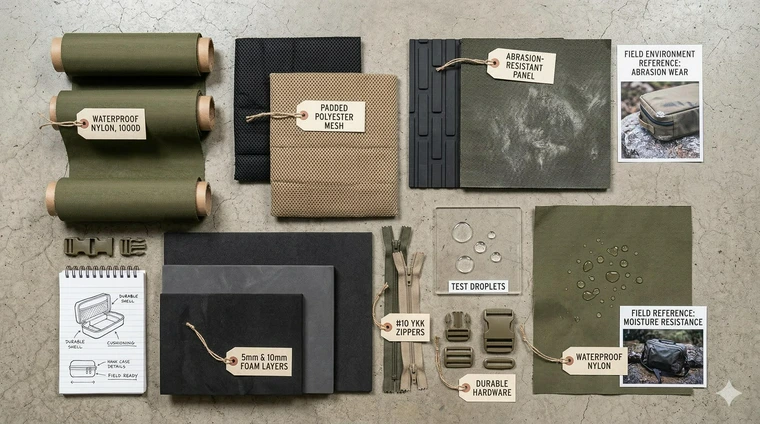
Material selection is especially important when developing medical bags. Healthcare environments often require materials that are easy to clean and resistant to contamination. Fabrics must also withstand repeated handling and disinfecting without degrading.
Choosing appropriate materials ensures the case performs reliably under real-world conditions rather than just under controlled testing environments.
7. Don’t Overlook Organization, Access, and Workflow
Protection is only one function of a carrying case. Organization and accessibility are equally important.
A poorly organized case can slow down field operations or create frustration for technicians and clinicians. Thoughtful internal layouts can significantly improve efficiency.
Designers should consider features such as:
- Internal pockets for accessories
- Elastic loops for cables or tools
- Clearly labeled compartments
- Strategic zipper placement
- One-handed access where appropriate
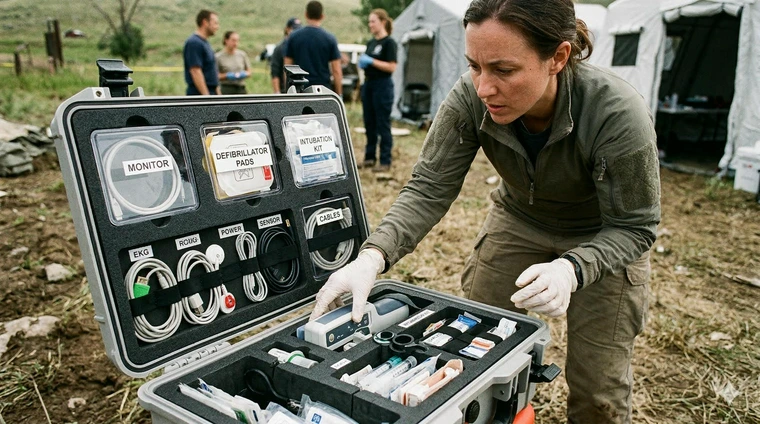
The goal is to support the workflow of the user. Equipment should be easy to access, easy to store, and easy to transport without unnecessary steps.
Cases designed with usability in mind often become an essential part of the product experience.
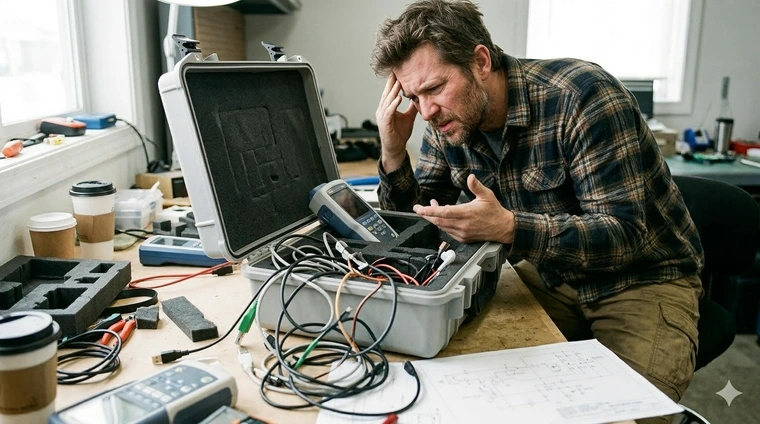
Common Mistakes in Custom Carrying Case Design
Even experienced engineering teams occasionally overlook key considerations during case development. Some of the most common issues include:
- Treating the carrying case as a late-stage design decision
- Designing the case without testing it with the real equipment
- Forgetting to account for accessories, cables, or spare parts
- Ignoring manufacturing input during early design phases
- Choosing materials that do not match the intended environment
Avoiding these mistakes can significantly reduce development time and improve the final product.
Key Takeaways for Designing a Custom Carrying Case
- The carrying case should be considered part of the product system, not just packaging
- Early collaboration with manufacturers can prevent costly redesigns
- Designing around the equipment ensures better protection and usability
- Accurate measurements and tolerances are essential for a precision fit
- Material selection should reflect the real-world environment of use
- Organizational features improve workflow and field efficiency
- Planning for production scalability reduces future manufacturing challenges
Next Steps
If you are planning a new product or preparing equipment for field deployment, reviewing existing case designs can help clarify what features and configurations work best.
Exploring examples of custom carrying cases can provide useful inspiration for layout, materials, and carrying methods. When you’re ready to move from concept to prototype, working with an experienced manufacturing partner can help ensure the design performs reliably in real-world conditions.
A well-designed case protects more than just equipment. It supports the way your product is used every day.